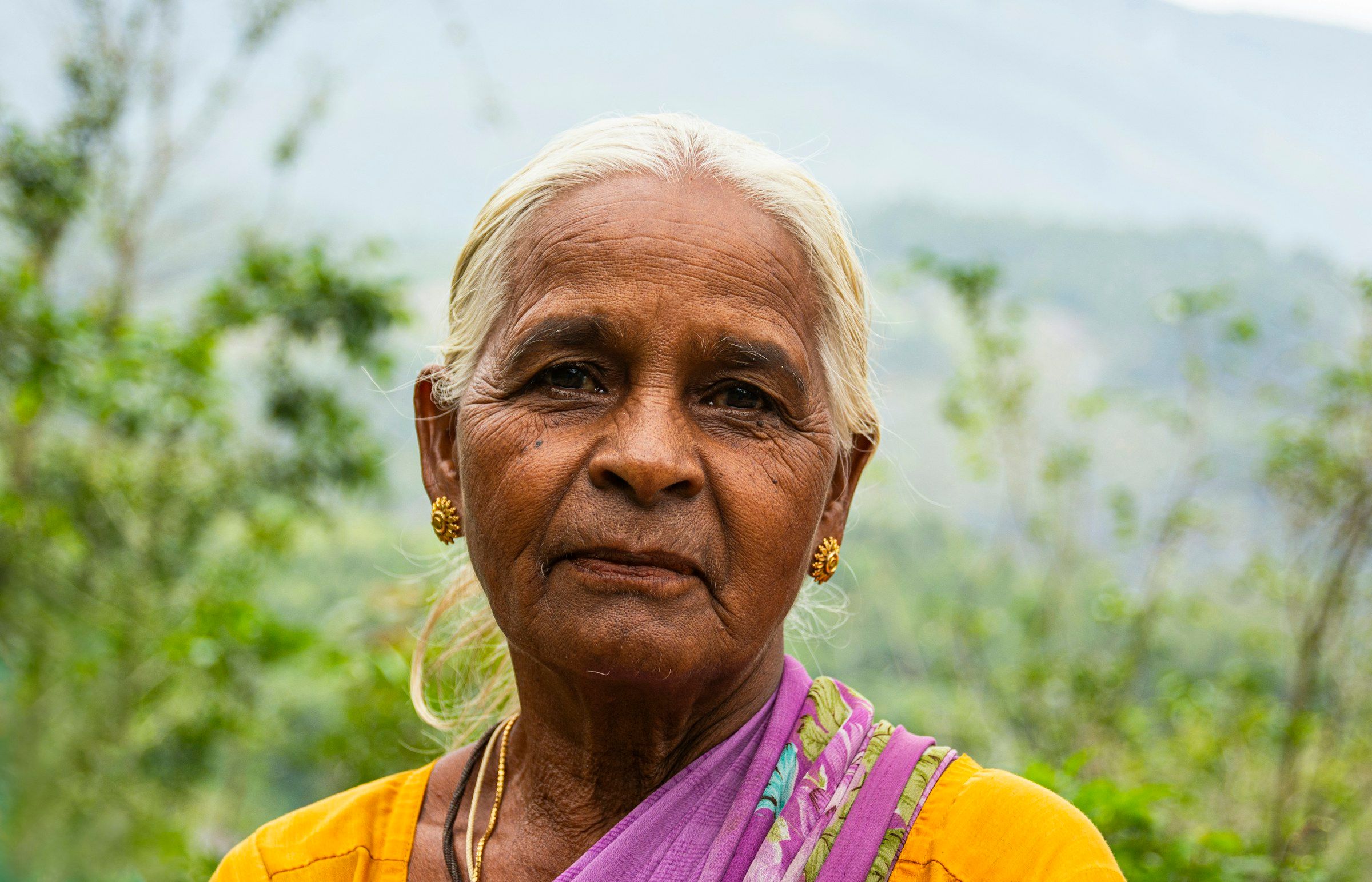
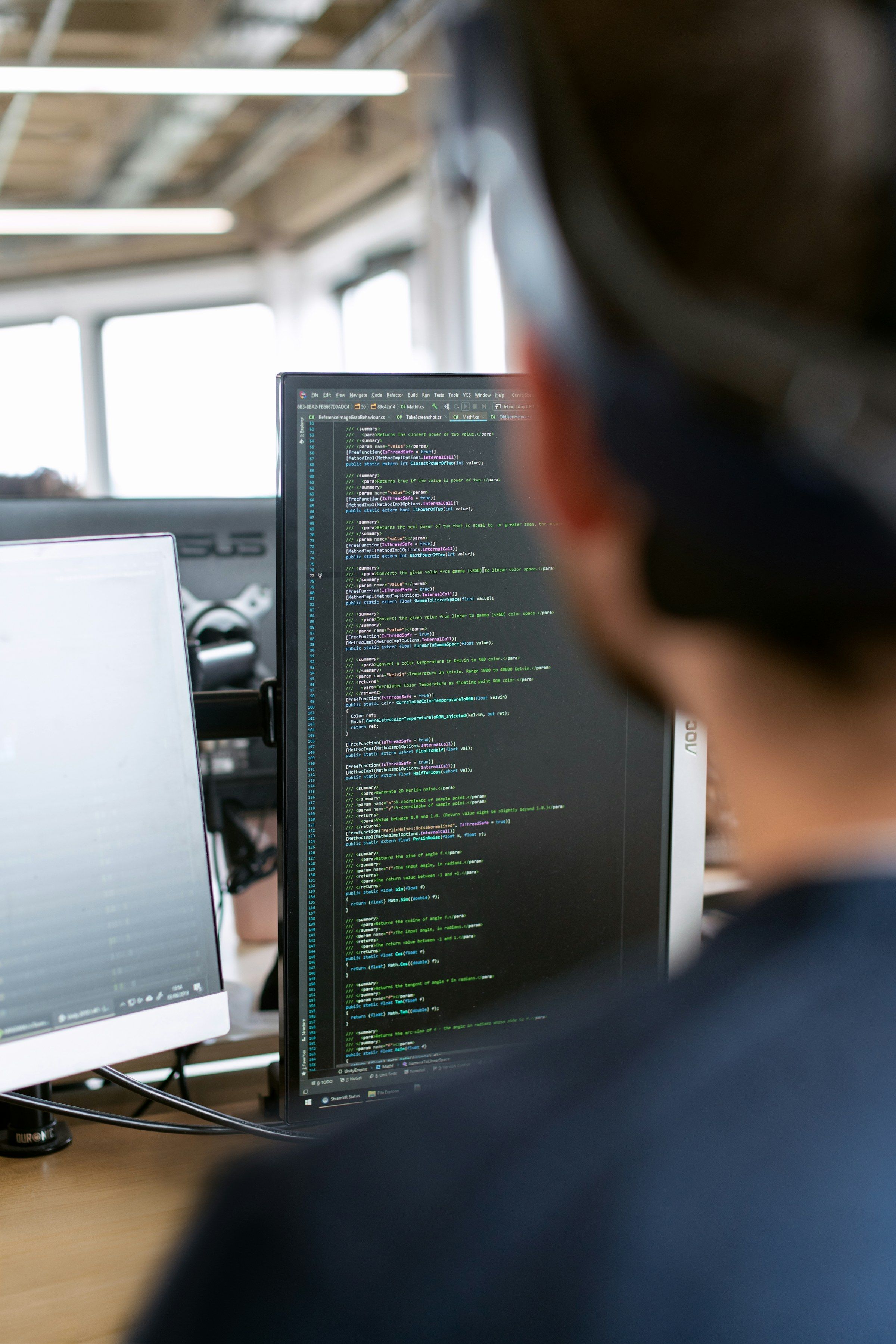
The gaps are specific
Languages with little recorded speech. Clinical settings nobody captured. Work that happens inside software.
Niche data like this has to be collected on purpose.
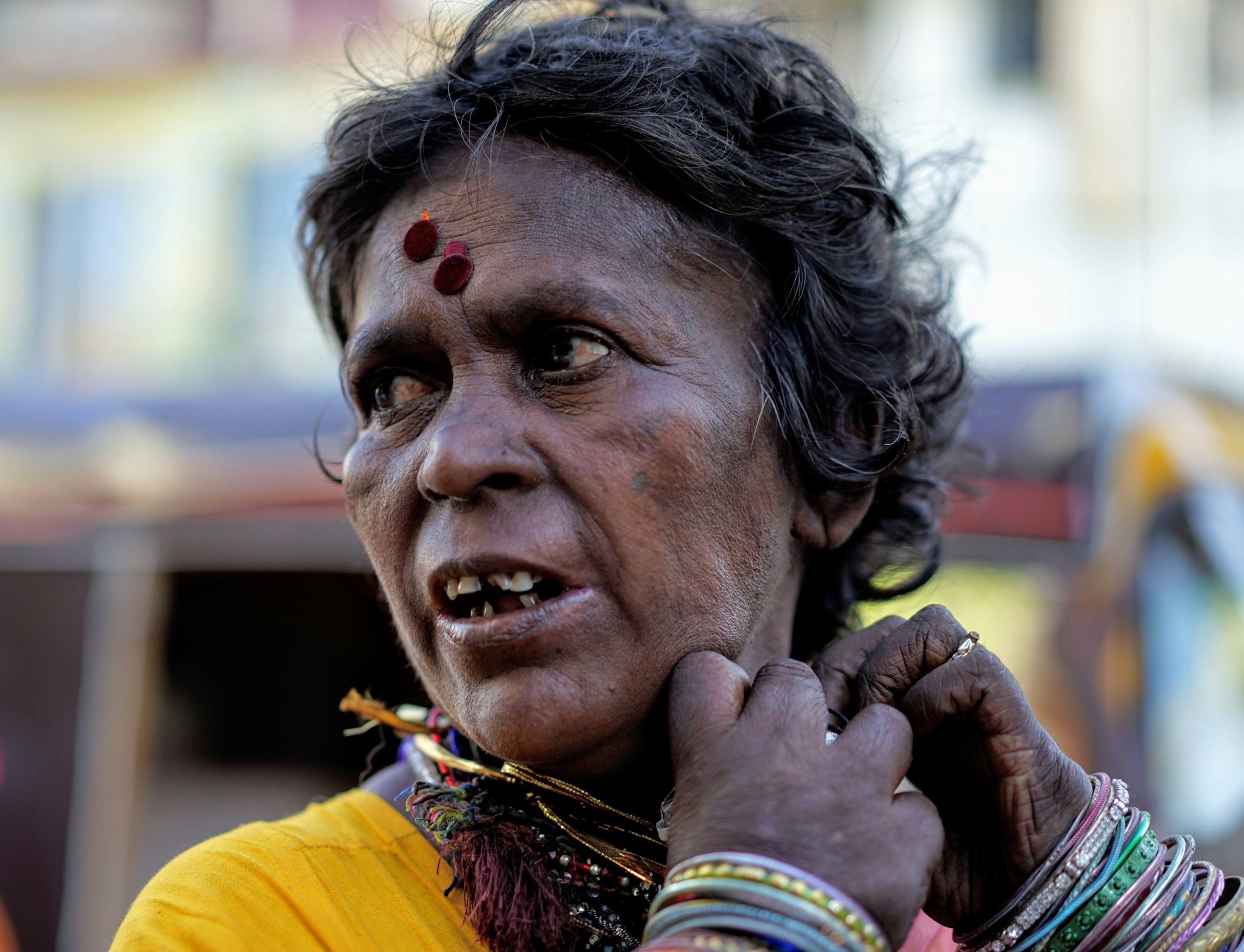
Voice, handwriting, clinical and computer-use data for the cases your model hasn’t seen, captured in real settings with recruited and partnered contributors. Every file traces back to its source.
Every point, a first-hand contribution. Move through them.
Generic data got your model this far. Real-world data takes it further.
Niche data like this has to be collected on purpose.
Compute is available and architectures are shared. What separates two models now is the data behind them, and the gaps that matter most are the ones nobody has recorded yet.
Rights questions surface late and cost more than the data saved. Consented, licensed collection settles them before training starts.
Voice and Handwritten OCR are open today. Medical and Computer Use are being built with their first partners: the method is set, and the scope is shaped with the teams who will train on it.
Low-resource speech for ASR, TTS and speech-to-speech, recorded with real speakers in real settings.
Real handwritten pages in 10 Indian languages, typed out, word-boxed and checked at three levels of review.
Clinical data built with practitioners. Scope is being set with our first partners.
Task trajectories recorded from real work in real software, for training and evaluating agents.


Every programme moves through the same five stages. Real-world signal goes in; a dataset you can audit comes out.
Stages two to four run first as a pilot batch, reviewed against your spec before collection scales, so a mismatch costs days, not the programme.
An audit should be able to start from any single record and reach the person who contributed it, the terms they agreed to, and every processing step applied since.
“Who recorded this, where, and when?”
The record answersThe contributor, the location, the session date and the device, attached to the file itself.
“Did this person agree to model training?”
The record answersSigned terms for each contributor, explained in their own language, naming model-training use explicitly.
“Were conditions comparable across the batch?”
The record answersThe prompts, environment and equipment the session followed, so batches stay comparable.
“What happened to the file after capture?”
The record answersEvery cleaning, labelling and formatting step, in order, logged against the record.
“Did it pass, and against what?”
The record answersThe review decision against your acceptance criteria. Rejected recordings are re-recorded, not patched.
“What are we allowed to do with it?”
The record answersPermitted use, term and exclusivity, set per programme and attached to the delivery.
We’re a young company, so we don’t lead with logos. We lead with the documents a programme actually runs on, and you can read all of them during scoping.
The form your requirements take: population, conditions, volume, labels, acceptance criteria.
What a contributor signs, in plain language, including model-training use.
How a session is run so batches stay comparable: prompts, environment, equipment, review.
A reviewed first batch against your criteria, before either side commits to scale.
Three kinds of team come to us, usually with the same problem: the data their model needs next has never been recorded.
Filling coverage gaps in pre-training and post-training sets, with provenance that survives a legal review.
Task data from the software and workflows your agent is expected to operate, recorded rather than simulated.
Purpose-built collection where no public dataset exists and consent has to be handled properly.
We scored today’s OCR and vision models on real handwritten pages in 10 Indian languages, all with the same checked text and the same rules. The gaps show exactly where handwritten data is missing.
And 10 more, down to 98.3%.
If a request needs one of these, we will say so rather than take the work.
Resell third-party datasets.
Collect first-hand, with recruited and partnered contributors.
Repackage what is already widely available.
Record where the data doesn’t exist yet.
Pass synthetic data off as recorded.
Deliver original recordings, each traced back to its source.
Anything not answered here is usually answered in a 15–20 minute scoping call. Send the modality, volume and timeline and we will come back to you.
Yes. A sample set with transcripts, metadata and quality scores is shared during scoping, before either side commits.
Before you have a budget line. Requirements raised now change what we collect first, and an early conversation costs you one call.
That is the main thing we do. You bring the specification and acceptance criteria; we design the collection programme around it and run a reviewed pilot batch before scaling.
Yes. The Indic Handwriting OCR Benchmark scores 15 OCR and vision models on the same handwritten pages in 10 Indian languages, with the method and every figure in the full report. We can score your model the same way.
Exclusivity is negotiable per programme, including exclusive windows and category restrictions. Commissioned collection can be exclusive to you outright.
Contributors are briefed and paid, and consent is recorded in writing against each contribution. Withdrawal requests are handled through the same record, and the licence terms set out what that means for data already delivered.
We don’t resell third-party datasets, repackage what is already widely available, or generate synthetic data and present it as recorded. If a request needs one of those, we will say so rather than take the work.
Skulp is building a real-world data supply for frontier models, one niche domain at a time. Each programme opens when its method, consent and review hold up, and not before.
Low-resource speech with transcripts, metadata and consent records. Licensing and commissioned collection are open.
DetailsHandwritten pages in 10 Indian languages with checked text and word boxes. The benchmark of 15 models is public.
DetailsProtocols written with clinicians, scope set with first partners. Requirements raised now decide what is collected first.
DetailsReal operators on real software, with two-sided consent. The first scope and protocol go to the waitlist.
DetailsBring a specification for data that does not exist yet. We design the programme and run a reviewed pilot before scaling.
DetailsSend the modality, languages or clinical domain, volume and timeline. You’ll hear back within two working days, including if it’s outside what we do.